A generation on the edge: how Nigeria’s hardship is failing its young people
With most young Nigerians stuck in informal work and prices still biting, a generation is carrying the weight of a struggling economy - and asking why the government is not doing more.

Ezinne Princess Nwabueze
Reporter, Diaspora Homeland Nigeria
Tap the author to see all their stories.
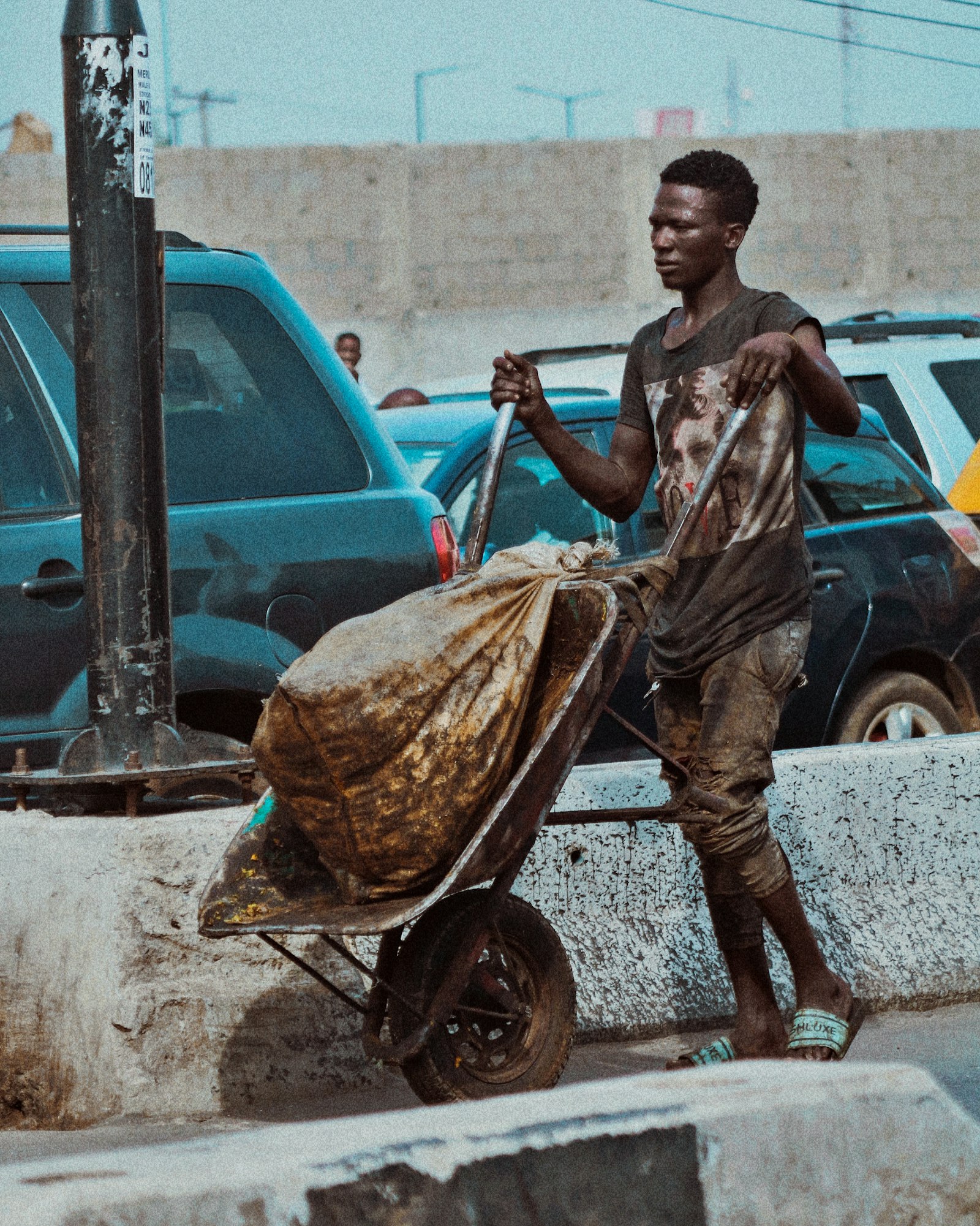
Walk through any Nigerian city at dawn and you see them: young people pushing carts, hawking in traffic and chasing small jobs that rarely pay enough. They are the face of a generation doing everything right and still struggling to get by.
The numbers are stark. Around 10 million young Nigerians enter the labour market each year, but the economy creates only a fraction of the formal jobs needed, and the vast majority of those working end up in the informal sector with no contract, no benefits and no safety net.
The cost-of-living crisis has made it worse. With poverty estimates climbing past 60% of the population and food prices stretching household budgets to breaking point, a minimum wage that looked like relief on paper buys far less at the market.
Many young people say the deeper problem is governance: budgets that set aside little for those most in need, promised support schemes that never reach them, and a sense that those in power are insulated from the hardship ordinary families face every day.
That frustration has spilled into the streets more than once, met at times with a heavy hand. Others channel it into the 'Japa' wave, leaving the country altogether.
But this is not only a story of despair. Nigeria's youth are also its loudest voices for change - building businesses, organising, creating and demanding accountability. DCTV will keep listening to them, and holding leaders to the promises made in their name.
~10M
Young Nigerians entering the labour market every year
96%
Share of employed youth working in the informal sector
60%+
Estimated share of the population living in poverty