The hidden health cost of migration - and why well-being is everyone’s business
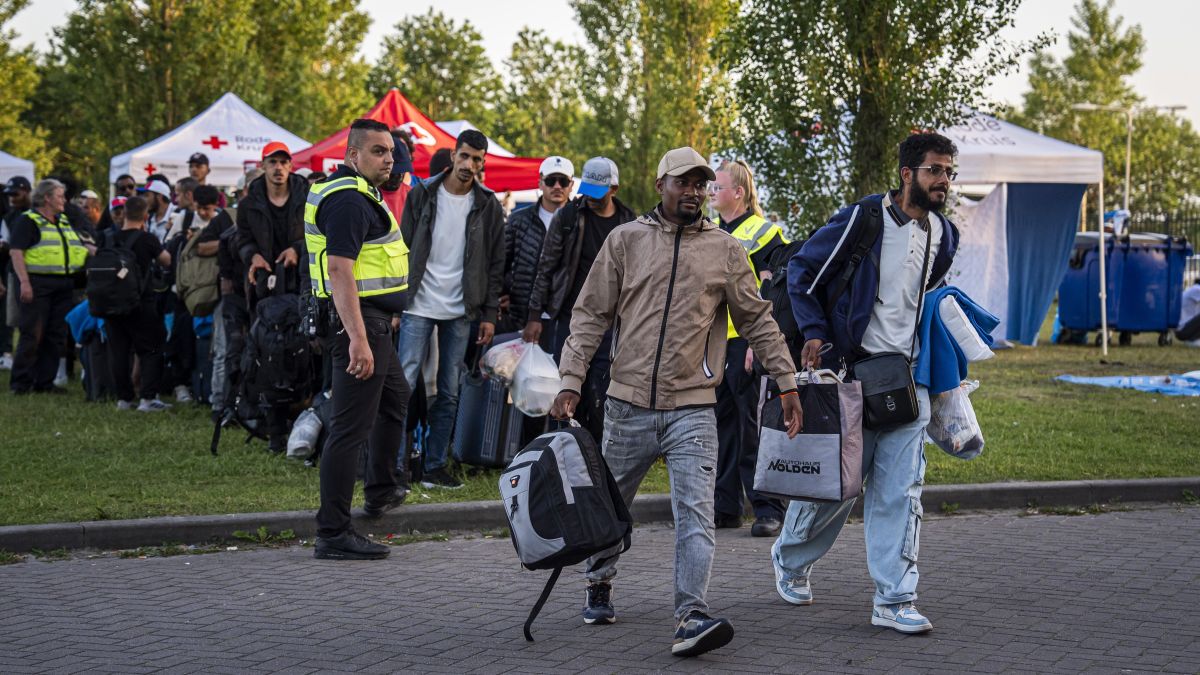
The WHO warns that refugees and migrants face heightened risks to mental health, driven less by the journey than by poverty, isolation and discrimination after arrival.
The World Health Organization's World report on the health of refugees and migrants challenges a common assumption: that poor health is simply baggage carried from home. In reality, conditions after arrival often matter most.
Poverty, insecure work, poor housing, social isolation, loneliness and discrimination all weigh heavily on mental health - and they are features of the host society, not the traveller.
The report frames migration itself as a key determinant of well-being, and calls for refugee- and migrant-sensitive health systems with equitable, non-discriminatory access to care.
That is a practical agenda: language-appropriate services, outreach that reaches isolated families, and recognition that mental health is as vital as physical health.
For DCTV's communities, well-being is foundational. Telling these stories openly helps lift the stigma that too often keeps people from seeking help.