More than a party: how diaspora festivals build belonging and economies
Cultural festivals do double duty - sustaining identity across borders while generating jobs and income, new UNESCO research shows.

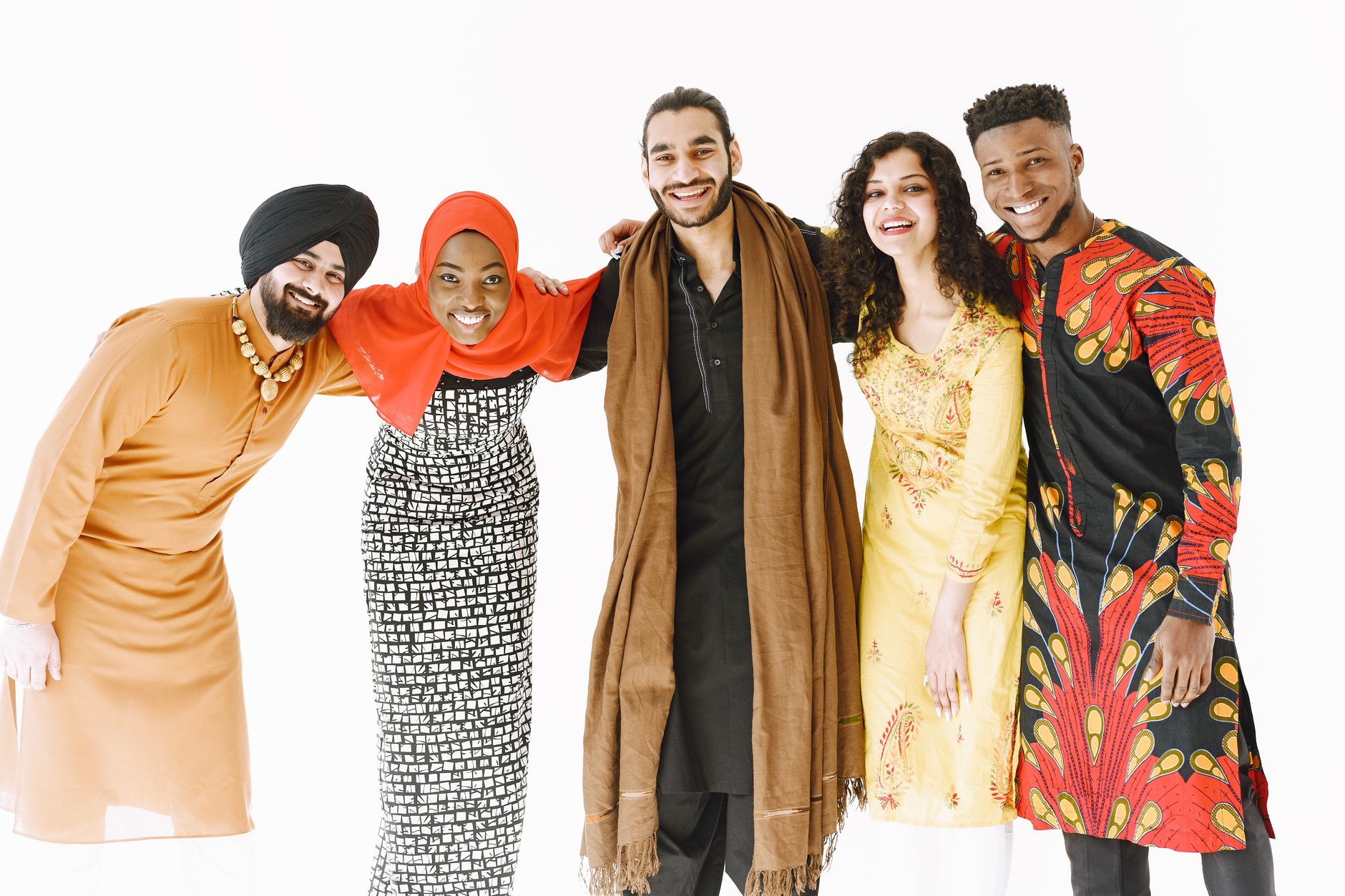
Diaspora festivals are where memory becomes celebration - music, food, dress and language gathered in one place, connecting generations and bridging the country left behind with the one now called home.
They are also serious economic engines. A UNESCO study of ten Southern African festivals found they generated over USD 11.7 million in economic activity and nearly 3,000 jobs in a single year, with spillovers into tourism, hospitality and retail.
More broadly, UNESCO reports that cultural and creative sectors account for around 3.39% of global GDP and tens of millions of jobs, with strong participation by youth and women.
Yet the same research warns that festivals and creative industries remain chronically underfunded relative to their impact - a gap that falls hardest on the Global South and diaspora organisers.
For DCTV, culture is not decoration but identity in motion. Showcasing diaspora arts is a way of valuing both the heritage and the livelihoods they sustain.